20 Oct 2026

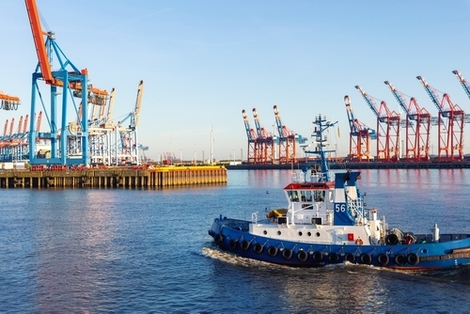
Navigating Australian Peak Shipping Season: Securing Sea Freight Allocations and Avoiding General Rate Increases (GRI) 

For Australian importers, retail distributors and logistics coordinators, peak-season pressure commonly builds from August as businesses prepare for Christmas and year-end demand, although its timing and severity vary by year and trade lane. On major Asian routes—including services from Shanghai, Ningbo and South China ports to Australia—strong demand, congestion and carrier capacity adjustments can make…

21 Sep 2026

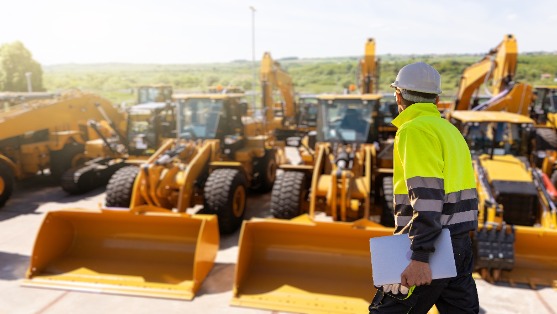
Importing Heavy Construction Equipment into Australia: A Logistics Guide 

Importing high-and-heavy machinery—such as excavators, bulldozers, dump trucks and mobile cranes—into Australia is a complex operational task. Civil infrastructure firms, mining contractors and equipment dealers face strict quarantine regulations, intricate customs documentation and specialised transport requirements. Understanding each phase of the international shipping lifecycle ensures smooth customs clearance, prevents costly port storage fees and guarantees safe delivery to your site.  Step-by-Step Heavy Equipment Shipping Lifecycle  Importing heavy machinery…

18 Aug 2026

Roll-On/Roll-Off (RoRo) vs. Container Shipping: What is the Safest Way to Ship an Oversized Caravan Internationally? 

For overseas buyers, expat families relocating to Australia and boutique luxury caravan importers, organising international transport for a high-value mobile asset is a complex logistical task. One of the most common and costly mistakes made during booking is failing to understand physical sizing constraints.  While a standard sedan or compact SUV can easily fit inside…

20 Jul 2026

High & Heavy Logistics: How RoRo Solves the Headache of Moving Earthmovers and Oversized Cargo 

For business-to-business (B2B) clients operating in the mining, agricultural and construction sectors, international logistics frequently presents a recurring structural challenge. Sourcing a dependable shipping method for massive, non-standard industrial machinery is notoriously difficult because these assets simply cannot fit inside standard 20-foot or 40-foot ocean containers.  Relying on traditional breakbulk shipping often introduces substantial operational risks, requiring specialised heavy-lift port cranes to…